If you’ve been running cross-border e-commerce or managing international freight for more than a single season, you already know the Q4 reality: once September hits, the entire logistics network in China transforms into a high-stakes bottleneck. Driven by global shopping events like Black Friday, Cyber Monday, and Christmas, alongside domestic Chinese spikes like Double 11 (Singles’ Day), order volumes surge past peak operational capacity.
Without an airtight strategy, inventory gets trapped at factory loading docks, buried inside congested fulfillment centers, or caught in massive global delivery deadlocks. Managing Q4 shipping delays in China isn’t about hoping your forwarder works magic in November—it is about locking in an early, aggressive scheduling playbook before the network locks up.
1. Origin Bottlenecks — Where the Crunch Really Begins
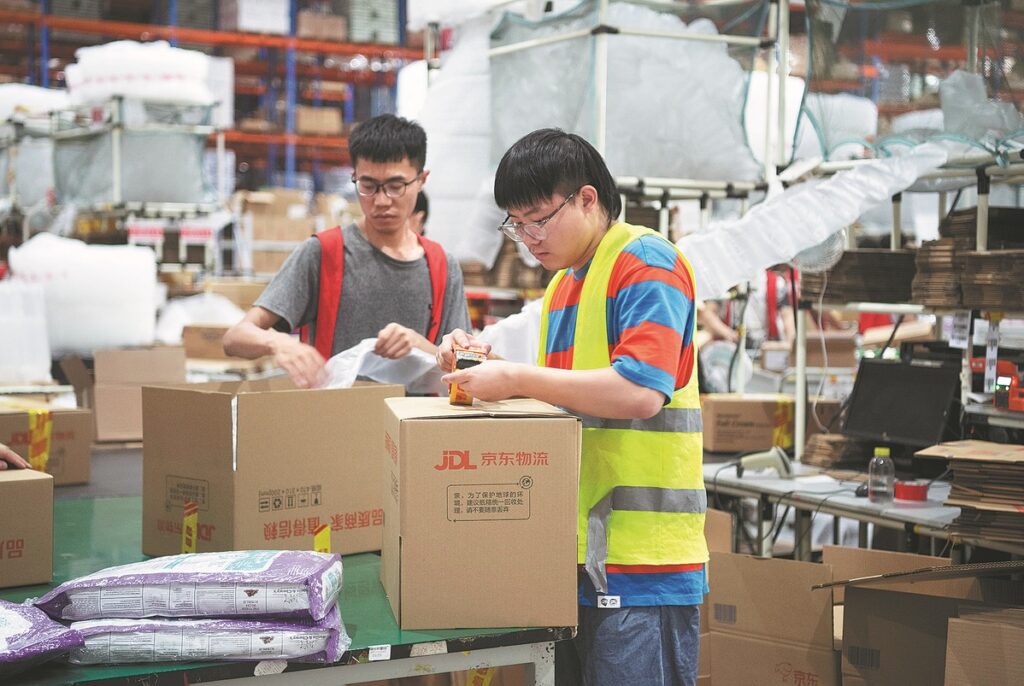
The Q4 logistics crunch starts long before containers reach the quay. It begins inside the regional manufacturing hubs and third‑party fulfillment centers of Guangdong, Zhejiang, and Jiangsu. As factories race to clear production lines in unison, regional receiving warehouses seize up under the load.
- Dock‑to‑stock times balloon. Standard 24–48 hour receiving windows stretch to 5–7 days.
- Throughput hits a ceiling. Even with seasonal temp hiring, warehouse labor maxes out on sorting, quality checks, and pallet assembly — driving severe lag at every step.
The Singles’ Day multiplier. When domestic platforms fire off their Double 11 campaigns, couriers such as SF Express, ZTO, and Yunda absorb billions of parcels inside China. That domestic flood throttles the regional drayage trucks moving cargo from inland plants to export warehouses and port terminals. If your goods need domestic transit before consolidation, expect freight delays and sudden surcharges from late October onward.
2. Global Transit Constraints — Air & Ocean
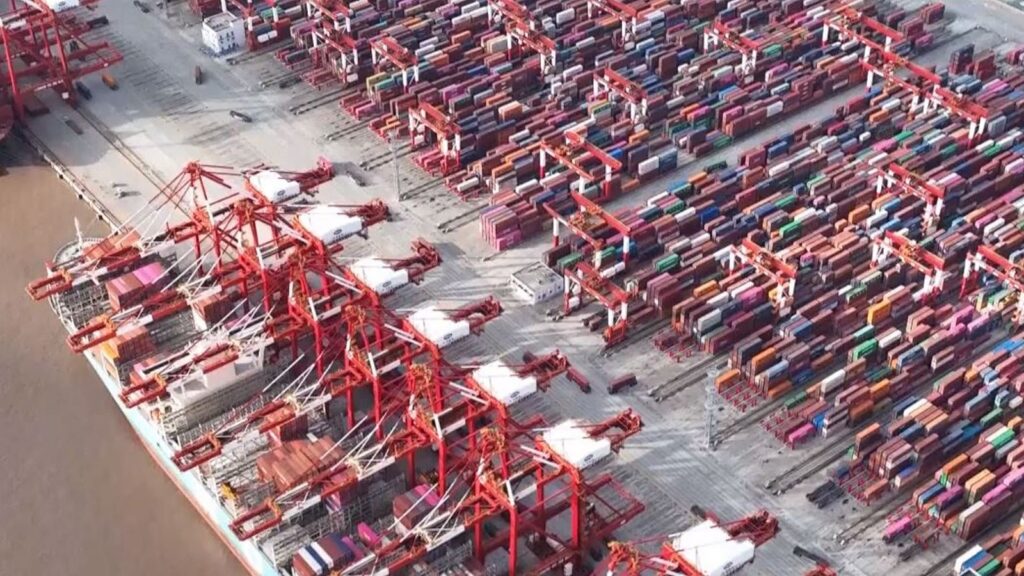
Once cargo clears export processing, it enters an overloaded international network. Knowing exactly where the pressure points sit lets you route around them instead of waiting stranded at the origin port.
Air freight: capacity vanishes by mid‑October. Tech brands and top sellers bid up the remaining belly‑hold space, and spot rates can double overnight. Uncontracted cargo routinely gets rolled at PVG (Shanghai Pudong), CAN (Guangzhou Baiyun), and HKG (Hong Kong). Without a guaranteed block‑space agreement, air freight turns both cost‑prohibitive and unreliable after late October.
Ocean freight: equipment shortfalls and destination caps. Peak season brings 40ft High Cube container shortages alongside longer vessel turnaround times. At destination gateways, chassis shortages and rail‑ramp backlogs pile up. Compounding the problem, last‑mile carriers — FedEx, UPS, and local postal services — enforce hard seasonal volume caps, making off‑dock delivery every bit as difficult as port clearance itself.
3. Proactive Scheduling Guide — 2026 Q4 Cutoff Calendar
Stop planning against standard transit estimates. In peak quarter, bake a non‑negotiable 7–10 day buffer into your timeline to absorb customs holds, port dwell, and weather disruptions. Use the cutoff calendar below to lock factory production to the right departure windows.
| Lane | Factory Completion | China Port Cutoff | On-Shelf Target |
|---|---|---|---|
| Standard Ocean (US West Coast / Main Europe) | Late August | Sep 15–20 | Late Oct (Black Friday-ready) |
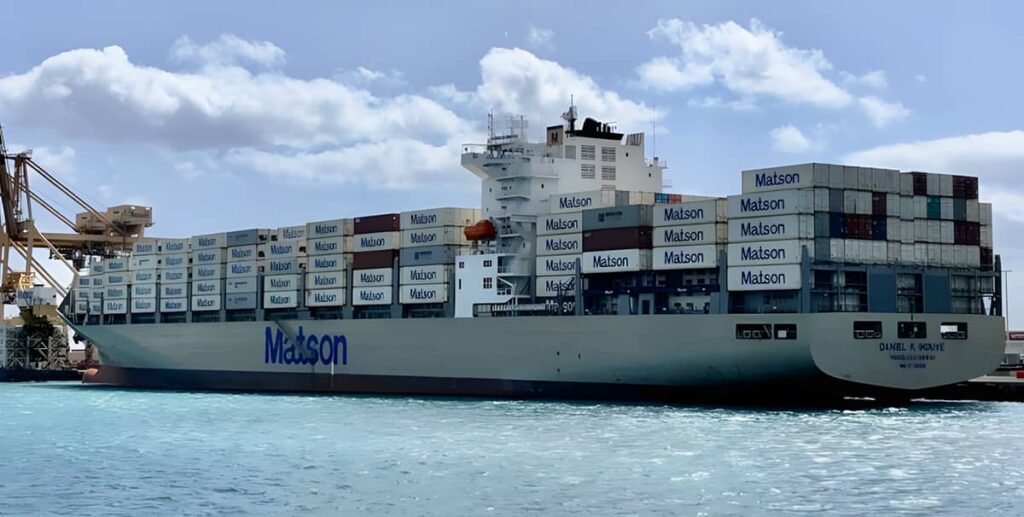
| Fast Ocean (Matson / Express lines) | Mid-September | Oct 5–10 | Early November |
| Air / Express | Early October | Oct 20–25 | Mid-November |
4. Operational Strategies to Mitigate China Warehouse Bottlenecks in Peak Season
Beating peak season chaos requires operational changes on the factory floor and inside your freight planning software. Here are three field-tested tactics our operations team uses to keep inventory moving when networks freeze up:
- Execute a Split-Shipment (Hybrid) Strategy: Route 70–80% of your projected holiday volume via early ocean freight to secure baseline inventory at lower freight costs. Reserve the remaining 20% budget for fast-ocean or air freight as an emergency buffer for high-velocity SKUs.
- Pre-Label & Palletize at the Source: Eliminate middleman handling inside China. Mandate that your manufacturers apply final Amazon FBA / retail barcodes and palletize cargo to exact destination specifications right on the factory floor. This allows your cargo to bypass time-consuming China warehouse bottlenecks in peak season and go straight to cross-docking.
- Taşıyıcı Kapasitesini Erken Rezerv Edin: 1 Eylül’den sonra spot piyasadaki stok durumuna güvenmeyin. Hedef sevkiyat tarihlerinizden en az 4 ila 6 hafta önce deniz konteyneri tahsislerini ve hava kargo yerlerini ayırtın.