Hybrid Fulfillment Solutions: Streamline B2B Samples and DTC Orders in China
Managing cross-border commerce often forces supply chain managers into a structural dilemma: running B2B sample logistics (high-value, commercial testing, factory compliance) on a separate track from B2C/DTC fulfillment (high-volume, direct-to-consumer parcel shipping).
Splitting these channels across different China freight forwarders creates fragmented inventory, inflated minimum base shipping charges, and zero end-to-end visibility.
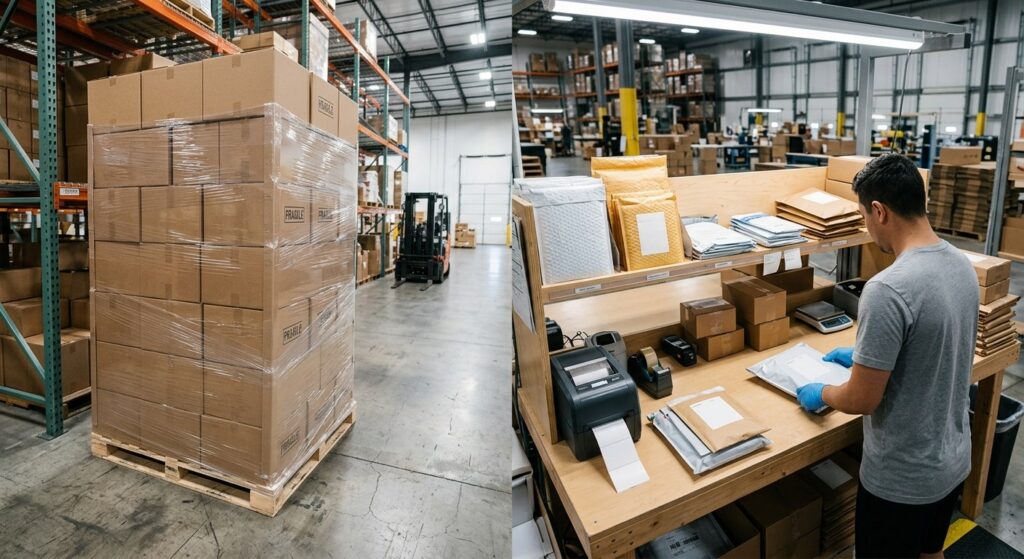
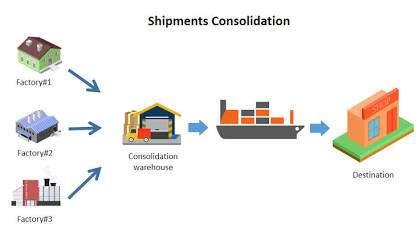
The modern solution for high-growth e-commerce brands is Hybrid 3PL Fulfillment—leveraging a unified China freight consolidation service to process multi-supplier sample runs and DTC parcel inventory within the same physical supply chain hub.
The True Cost of Separated Supply Chains in China
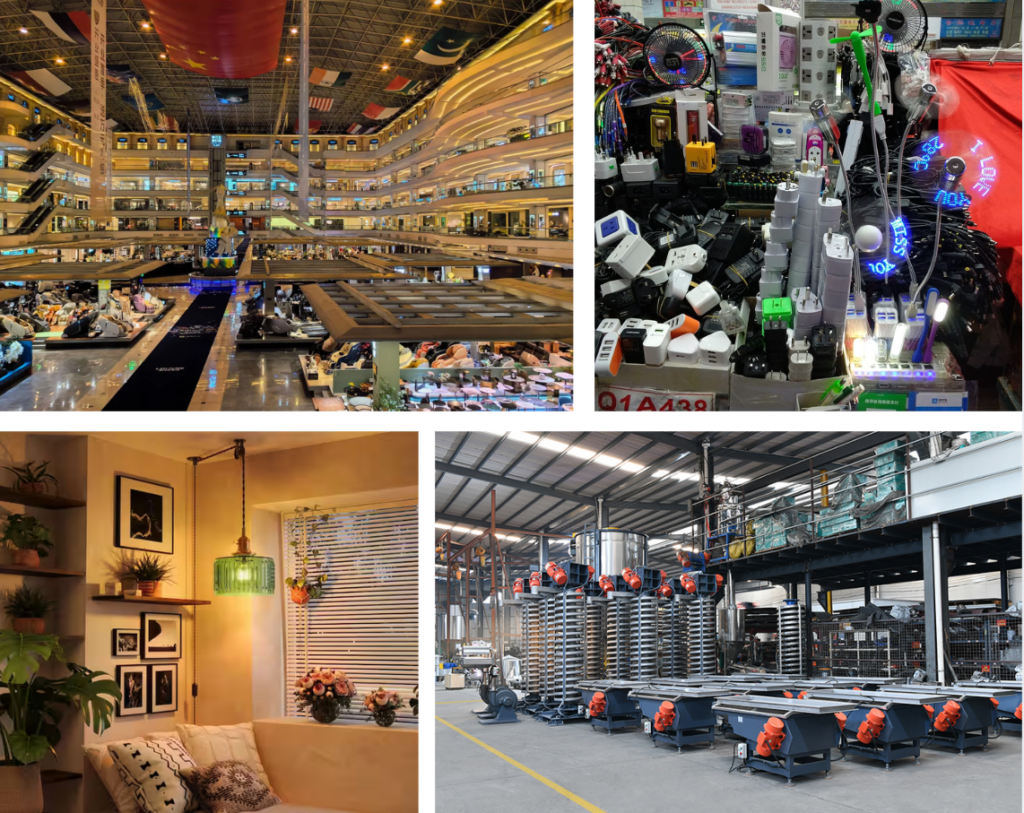
When sourcing across China’s manufacturing hubs—such as Guangdong, Zhejiang, and Jiangsu—suppliers rarely coordinate outbound shipping with one another. If you handle B2B factory samples and DTC inventory separately, your balance sheet suffers from invisible margin leaks:
Inflated First-Mile Courier Rates: Shipping 5 small individual sample boxes via international express (e.g., DHL/FedEx) incurs up to 5 separate base charges and dimensional weight (DIM) surcharges.
Redundant Warehousing Overhead: Paying separate receiving, handling, and storage fees across multiple regional warehouses.
Customs Hold Risks: Inconsistent commercial invoices across scattered suppliers increase the rate of customs holds and physical inspections at origin and destination ports.
Cost Breakdown: Consolidated vs Unconsolidated Shipping
How much does a unified cross-border logistics China strategy actually save? The table below breaks down a common scenario: collecting 5 factory sample packages alongside 100 kg of replenishment stock from 5 separate Guangdong suppliers.
Metric
Fragmented Shipping (5 Express + 1 Air Freight)
Consolidated Hybrid Shipping (1 Master Air Shipment)
Cost Impact / ROI
Base Courier Surcharges
5 x $35 base fee ($175)
1 Unified Master Charge ($35)
80% Reduction
Chargeable Volumetric Weight
High (5 separate small boxes)
Optimized (Re-packed & repacked into 1 pallet/box)
18-25% Savings
Customs Clearance Fees
5 individual export declarations
1 Consolidated Export Entry
Save ~$120
Total Logistics Cost
~$1,240 USD
~$720 USD
42% Total Cost Savings
Deep Dive: Handling Customs Compliance for B2B & B2C Cargo
The biggest operational friction point in hybrid fulfillment is handling different HS Code classifications and customs manifest types under a single consolidated consignment.
How does a professional China parcel consolidation warehouse resolve this?
1. Split Shipment & Invoice Segregation
Even if goods arrive in a single consolidated master crate, your logistics partner generates dual-manifest documentation:
B2B Commercial Samples: Declared under formal commercial invoices (HS Codes with applicable sample duties) for corporate tax deductibility and commercial clearance.
DTC/B2C Parcels: Processed under simplified postal or section 321 / De Minimis clearance routes, keeping individual end-customer tax burdens compliant and minimized.
2. DDP Shipping & Duty Optimization
Through DDP (Delivered Duty Paid) shipping lanes, duty payments for commercial samples are settled upfront at origin. This prevents your business partners or evaluation teams from receiving surprise tax invoices upon sample delivery.
Real-World Case Study: Furniture Brand Consolidation
Client Profile: A US-based mid-century furniture brand sourcing from 6 distinct factories across Foshan and Dongguan.
Challenge: High sample freight costs ($1,800+/month) and slow sample-to-production feedback loops due to scattered supplier dispatches.
42% Reduction in Sample Shipping Costs: Merging small supplier runs into weekly consolidated master freight lanes reduced total billable weight.
6 Days Faster Sample Evaluation: Quality control (QC) checks were performed en el interior the China warehouse before international dispatch, eliminating returns for defective samples.
Zero Customs Clearance Holds: Standardized HS code pre-classifications eliminated customs clearance delays at US ports.
Key Takeaways for Supply Chain Managers
Implementing a hybrid 3PL fulfillment workflow isn’t just about combining packages—it is an operational strategy that directly protects your gross margin:
Unify Warehousing & Fulfillment: Consolidate your multi-supplier intake into one strategic China hub.
Optimize Packing: Combine small B2B sample boxes with larger cargo crates to minimize dimensional volume charges.
Automate Customs: Ensure your logistics partner offers dual-declaration invoicing to handle both commercial and direct-to-consumer regulations effortlessly.
Ready to audit your China freight consolidation strategy? Contact our supply chain experts today to get a customized DDP shipping & warehousing proposal tailored to your B2B and DTC inventory workflows.
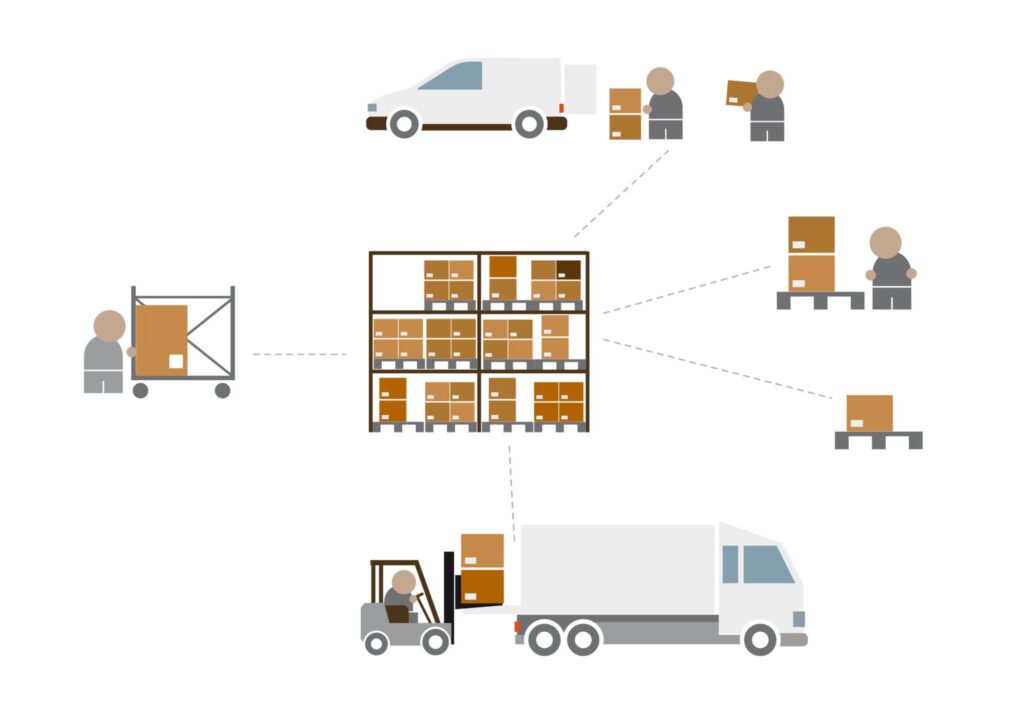
Schematic representation of a logistics process with transport, delivery and storage