China parcel consolidation is a logistics method that combines multiple supplier packages into one shipment before international delivery. For ecommerce sellers and importers sourcing from Alibaba, 1688, Yiwu Market, or multiple factories in China, a shipping consolidation service can reduce shipping costs, simplify customs documents, and improve inventory control.
Instead of paying separate international freight and customs fees for every single order, you can collect everything inside one central China consolidation warehouse and ship it to your destination as a single, organized cargo lot.
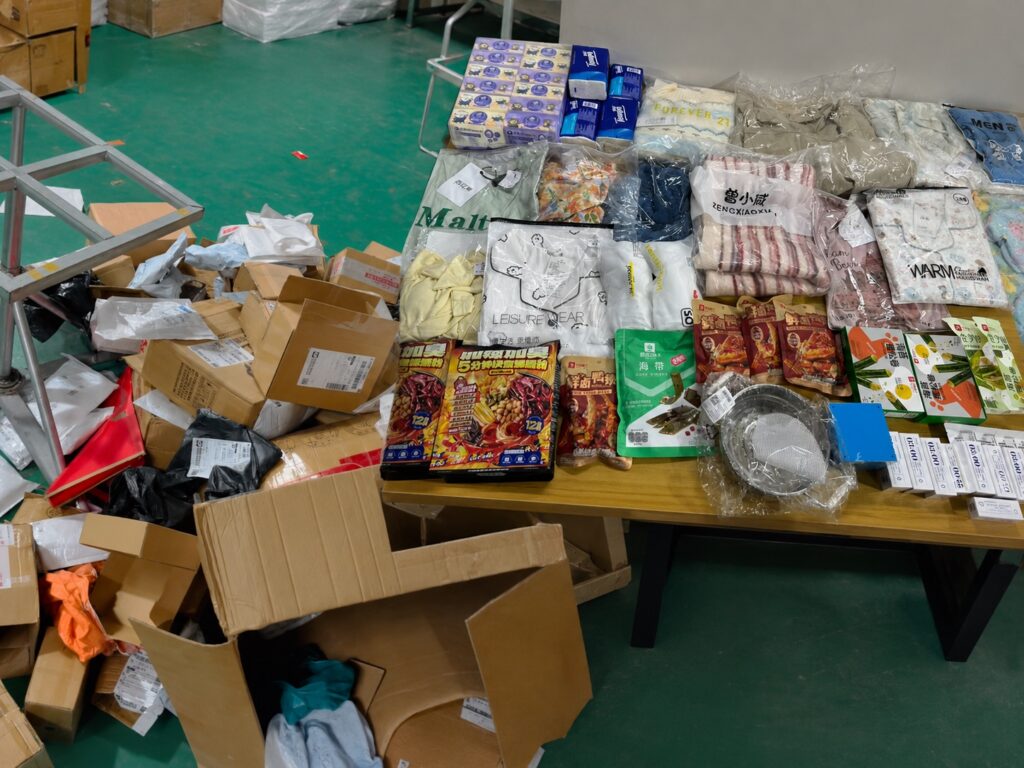
What Is تجميع الطرود الصينية?
To understand parcel consolidation from China, it helps to analyze why shipping products separately creates financial friction. When buying items from multiple factories, each manufacturer works independently. If you order from five different suppliers, you naturally receive five separate shipments.
Each independent shipment triggers its own baseline courier fees, domestic trucking logistics, and export customs declarations. This traditional method is inefficient for cross-border retailers who require supply chain flexibility.
A China parcel consolidation service interrupts this fragmented process. An international logistics partner provides you with a dedicated shipping address at their domestic warehouse. All your suppliers ship their individual goods locally to this hub. The warehouse team then receives, stores, repacks, and merges these distinct boxes into a single master container or large pallet, significantly lowering the overall cost of shipping from China.
How China Parcel Consolidation Works: Step-by-Step
A professional shipping consolidation from China follows five structured, operational steps to ensure your inventory moves safely from the factory floor to your final delivery address.
Step 1: Supplier Sends Packages to the Warehouse
When you buy stock from various platforms like Alibaba or 1688, you instruct every manufacturer to deliver the items to your designated China consolidation warehouse. Each package must include a unique tracking number and your account identification code on the shipping label.
Step 2: Warehouse Receives and Logs Goods
As your parcels arrive, warehouse technicians scan the domestic tracking barcodes. This automated ingestion registers the goods into an online tracking system, allowing you to monitor which supplier orders have arrived and which are still in transit.
Step 3: Product Inspection and Verification
Before items are prepared for international transit, quality control teams perform a physical condition audit. They check the outer cartons for damage and verify that the arrived quantities match your initial purchase orders.
Step 4: Volumetric Repacking Service
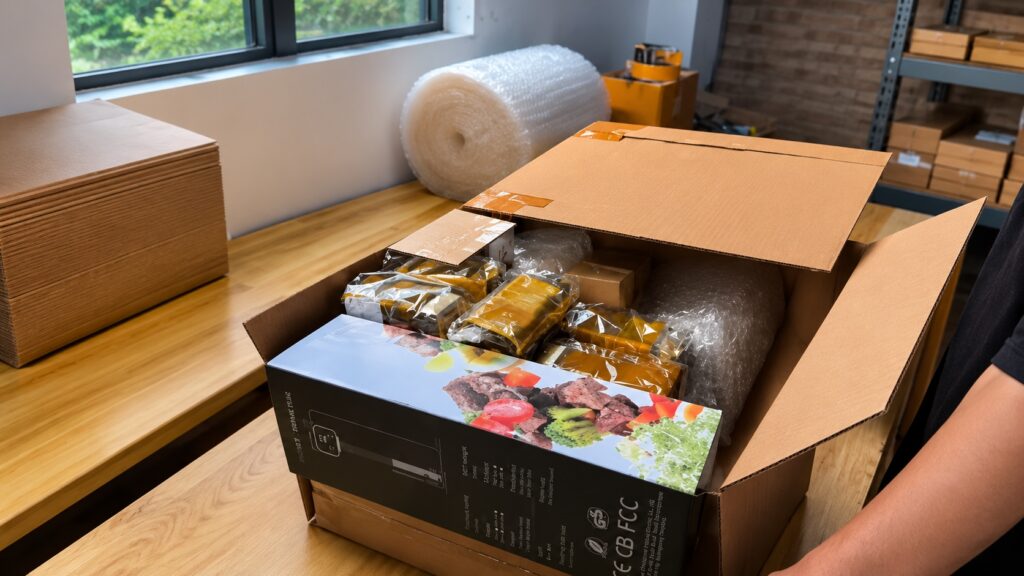
Many factories use oversized boxes filled with excess plastic or hollow space. Technicians execute an export-grade repacking service China, removing product boxes from inefficient original cartons and nesting them tightly inside heavy-duty, double-wall master boxes.
Step 5: Combined Export Shipment
Once all your orders arrive and undergo repacking, the warehouse generates a unified commercial invoice and packing list. The entire lot is cleared through customs under one shipment manifest and forwarded via your chosen method—whether air freight, ocean freight, or express courier.
Why Ecommerce Sellers Use China Consolidation
Cross-border business operators, including Amazon FBA brands, Shopify store owners, and traditional importers, rely heavily on a China freight consolidation strategy due to three distinct operational advantages.
- Bypassing Multi-Supplier Freight Fees: Instead of paying separate high-rate baseline fees to DHL or FedEx for multiple small boxes, you pool your volume to unlock cheaper bulk weight tiers.
- Minimizing Volumetric Mass Penalties: Air freight carriers charge you based on the box dimensions if your package is light but bulky. Professional repacking reduces the overall volumetric footprint, ensuring you do not pay for shipping empty air.
- Streamlined Final-Mile Sorting: Receiving a single consolidated delivery at your home office, private warehouse, or Amazon fulfillment facility simplifies your localized stock management and lowers final-mile sorting costs.
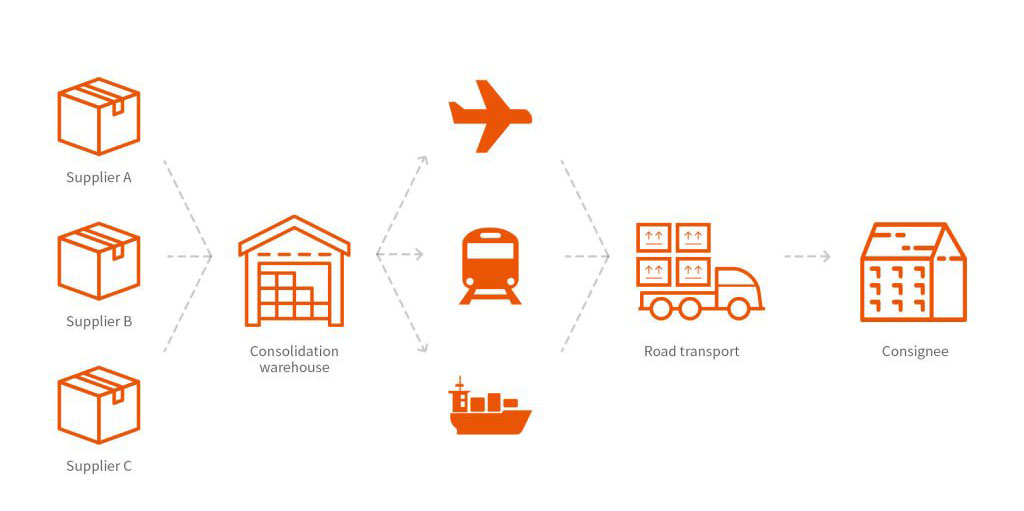
Example Scenario: Sourcing from Multiple Alibaba and 1688 Suppliers
Consider this realistic example of a modern Shopify retailer sourcing consumer electronics accessories from mainland China:
- The retailer buys from 8 separate suppliers on Alibaba and 1688.
- 4 factories are located in Shenzhen, 2 in Ningbo, and 2 in the Yiwu consolidation warehouse area.
- Without Consolidation: Shipping 8 separate international express parcels would cost approximately $1,200 total, with 8 different custom clearance touchpoints and a high risk of tracking numbers getting lost.
- With Consolidation: All 8 factories ship their stock via affordable domestic courier services to a centralized China fulfillment warehouse. The logistics provider combines the items into 2 large master cartons. The total international freight cost drops to $740, representing a 38% direct reduction in shipping costs from China along with a single, stress-free customs entry.
Parcel Consolidation vs Direct Shipping
| Logistics Feature | Direct Shipping Model | تجميع الطرود الصينية |
| Supplier Handling | Each supplier ships independently | All suppliers send to one warehouse |
| International Freight Cost | Higher (multiple baseline courier fees) | Lower (volume-tiered bulk pricing) |
| Customs Documentation | Multiple invoices and clearance fees | Combined packing list and single manifest |
| Tracking Complexity | Hard to track (multiple tracking numbers) | Simple to track (one master shipment ID) |
| Quality Control (QC) | Limited or unavailable before export | Available at the central warehouse node |
| Repacking & Resealing | Dependent on inconsistent factory boxes | Standardized export-grade box replacement |
China Consolidation Warehouse Services Explained
A modern China fulfillment warehouse does more than just stack boxes on shelves. To protect your commercial margins, a 1688 consolidation service or an Alibaba supplier consolidation provider delivers an array of specialized value-added workflows.
Receiving and Inbound Logs
The hub acts as your local footprint in China. Every arriving parcel is weighed, measured, and cross-referenced with your account profile to eliminate supplier distribution errors before the cargo leaves the country.
Quality Control and Photo Verification
Importers frequently encounter problems with factories sending the wrong colors, sizes, or stock keeping units (SKUs). A reliable parcel forwarding China provider can open sample boxes, capture digital photos for your immediate review, and help you handle domestic returns while the product is still in China.
Secure Storage and Buffer Management
Because factories operate on different production timelines, some orders will arrive weeks before others. Most consolidation hubs provide a flexible storage window, allowing you to hold early arrivals safely while waiting for slower suppliers to complete manufacturing.
Strategic Repacking and Space Reclamation
This is where the direct cost savings are achieved. Cartons are optimized using advanced dimensional space-saving techniques, substituting flimsy, single-wall factory cardboard with rigid, moisture-resistant shipping boxes designed to survive transoceanic crossings.
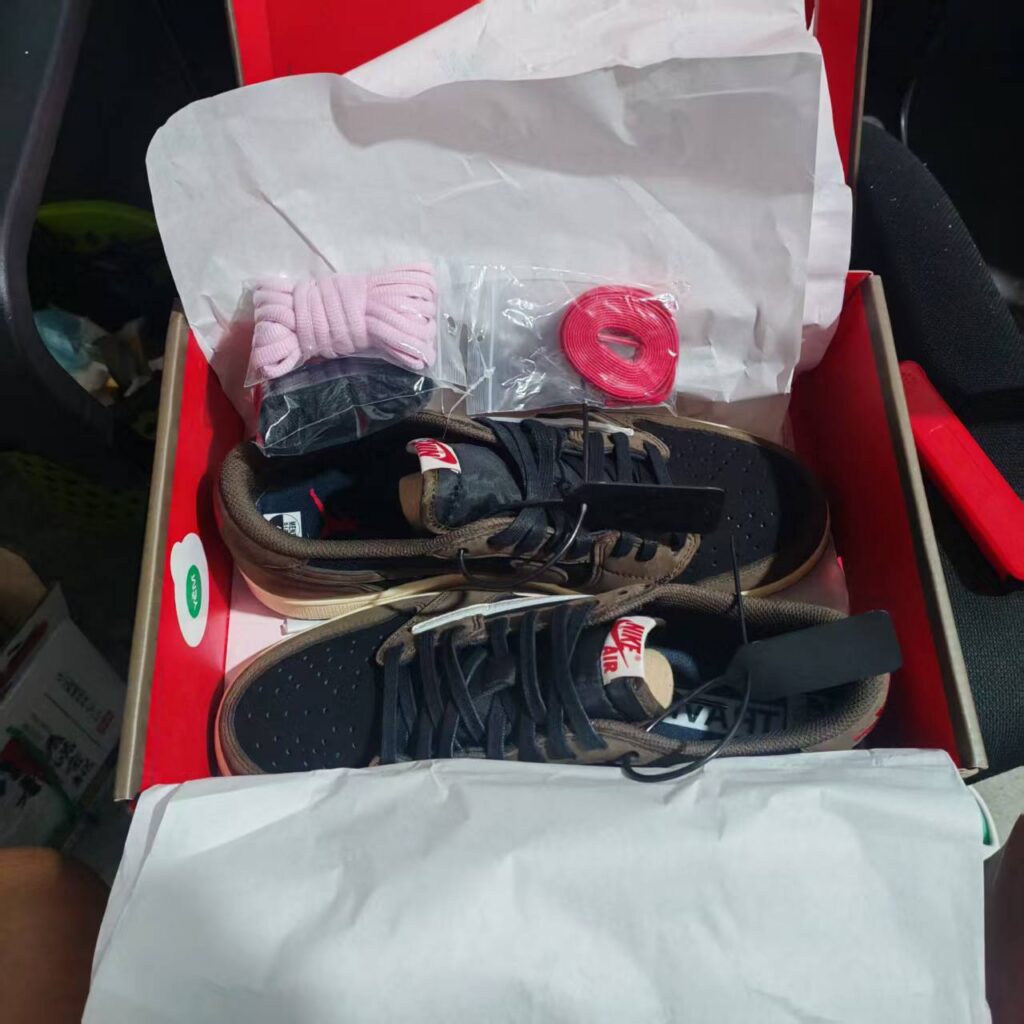
How Much Money Can You Save?
International couriers calculate shipping prices using the higher figure between actual gross weight and volumetric weight. The mathematical formula for air transport is:
- Volumetric Weight (kg) = (Length x Width x Height in cm) / 5000
Imagine you have 12 separate parcels from different Shenzhen factories. Shipped individually, their irregular sizes generate significant void space penalties, leading to a combined billable weight of 100 kg.
When you use a professional China shipping consolidation workflow, those 12 loose items are removed from their hollow factory boxes and packed securely into a single square master carton. Because the empty spaces are completely eliminated, the final billable weight drops down to the true physical weight of 43 kg. By removing the dimensional weight penalty, the importer avoids paying for 57 kg of ambient air space.
Choosing the Right China Consolidation Partner
Not all logistics operators provide the same level of service. To safeguard your cross-border supply chain, utilize this functional operational checklist when vetting a China freight consolidation provider:
- Digital Tracking Software: Ensure the company provides a modern portal where you can view your inbound parcel status, supplier names, and weights in real time.
- Transparent Pricing Structure: Avoid companies that offer suspiciously low consolidation rates but charge hidden per-box handling, receiving, or documentation fees later.
- Comprehensive Custom Support: Your partner must demonstrate complete fluency in handling complex customs clearance protocols, managing tariff classifications, and generating compliant commercial invoices.
- Flexible Shipping Lanes: A robust provider should offer multiple transit lanes, including express air couriers for urgent stock replenishment, economy air freight, and full ocean freight consolidation (LCL) for large bulk orders.
Frequently Asked Questions (FAQ)
What is China parcel consolidation?
China parcel consolidation is the logistical process of shipping packages from various factories to a single domestic warehouse in China, where they are securely combined into a single international shipment to lower freight costs and simplify customs tracking.
Is parcel consolidation from China cheaper?
Yes. Consolidating your items is significantly cheaper because it removes the expensive baseline courier fees charged on multiple individual packages and optimizes the volumetric size of your boxes, allowing you to access cheaper bulk shipping weight rates.
Can I combine products from multiple Alibaba suppliers?
Yes. You can combine goods from an unlimited number of Alibaba suppliers, 1688 manufacturers, or Yiwu market agents. The consolidation warehouse acts as your centralized domestic receiving point for all your Chinese procurement.
Does China consolidation include repacking?
Yes. A professional consolidation provider includes an export-grade repacking service. They dismantle bulky or fragile factory packaging, group the items efficiently, and place them inside high-quality, double-wall corrugated master cartons to maximize space protection.
What is the difference between parcel consolidation and freight forwarding?
Parcel consolidation focuses specifically on receiving, sorting, and combining multiple smaller packages into one larger box or pallet. Freight forwarding refers to the macro-level coordination of the international transport lane, including port delivery, customs brokerage, and final-mile ocean or air logistics.
How long does China parcel consolidation take?
The processing time depends on your suppliers’ manufacturing speeds. Once all your distinct parcels arrive at the consolidation hub, the physical inspection, repacking, and final master carton preparation are typically completed within 24 to 48 hours.
Can consolidation reduce customs problems?
Yes. When you ship numerous uncoordinated boxes to the same destination address, customs border algorithms often flag the pattern for physical inspections. Combining your goods allows you to submit a single, accurate commercial invoice, ensuring clean, compliant customs clearance.
Conclusion
Maximizing the financial return of your international trade requires absolute control over your distribution costs. Leaving your freight to uncoordinated factory logistics runs the risk of high volumetric penalties, lost packages, and unexpected customs delays. By implementing a reliable China parcel consolidation strategy, your business can lower transportation overhead, simplify document filing, and ensure your stock arrives safely.
Get China parcel consolidation support from freight2me, including supplier receiving, quality control inspection, professional repacking, and international shipping coordination tailored to protect your commercial margins.